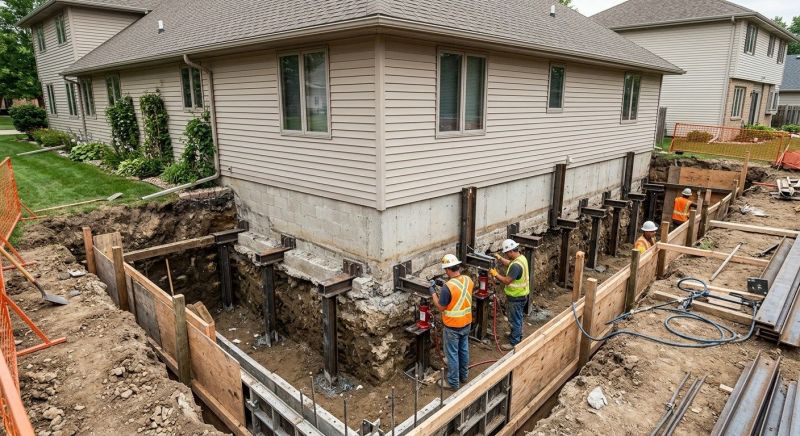
Understanding House Underpinning
House underpinning stabilizes and strengthens foundations affected by settling or shifting soil.
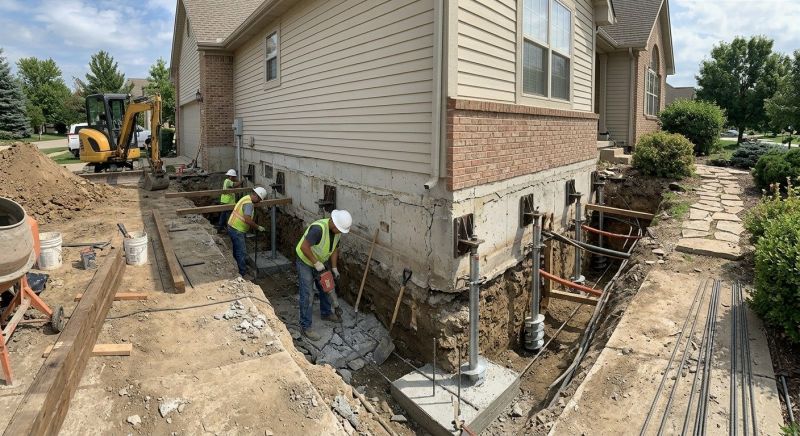
Common Underpinning Methods
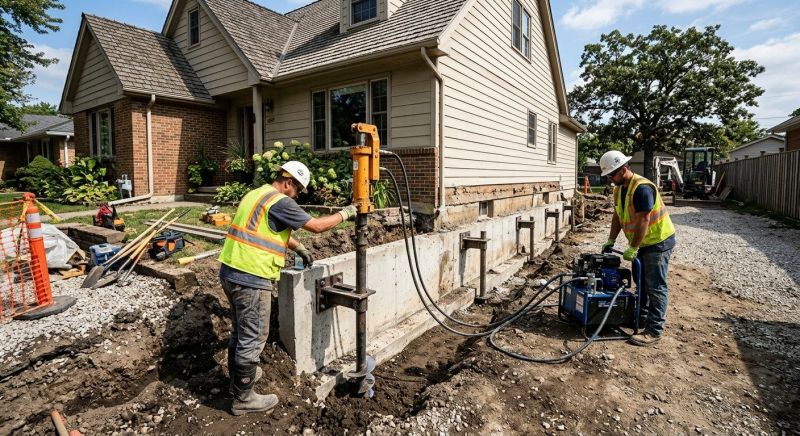
Techniques like piering and underpinning are used to lift and support sagging or uneven foundations.
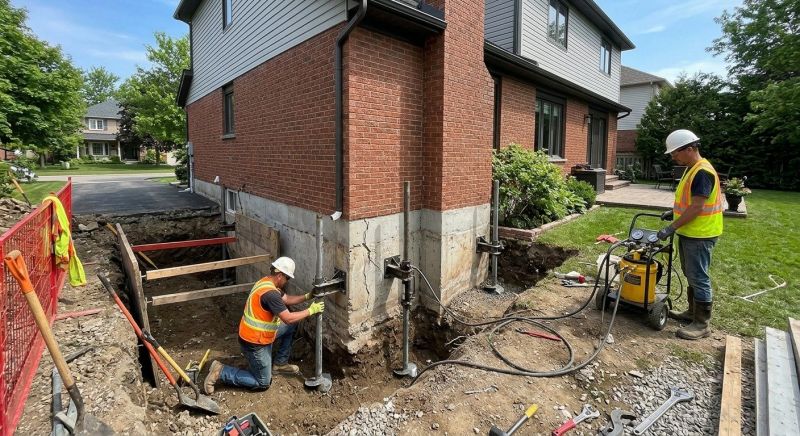
Signs You May Need Underpinning
Cracks in walls, uneven floors, and sticking doors can indicate foundation issues requiring underpinning in plymouth, ma.
House Underpinning in Plymouth, MA
House underpinning services involve strengthening and stabilizing the foundation of a property to address issues such as settling, uneven floors, or structural concerns. This process typically includes adding support beneath the existing foundation, often through methods like piering or underpinning, to ensure the stability and safety of the home. Projects requiring underpinning can range from addressing foundation movement due to soil shifts to preparing a property for renovations or expansions that demand a more solid base.
Homeowners considering underpinning usually want to understand the scope of work involved, the types of underpinning methods suitable for their property, and the potential impacts on their home’s structure. It’s important to evaluate whether underpinning is necessary based on foundation inspections or signs of movement, and to consider how the process might affect the property’s timeline and overall stability. Proper assessment and planning help ensure that underpinning effectively restores the foundation’s integrity and supports ongoing property use.
Many property owners in Plymouth, MA look into House Underpinning for repairs, replacements, upgrades, and appearance-related improvements.
Common House Underpinning Jobs
Foundation Underpinning - strengthens and stabilizes a building’s existing foundation to prevent settling.
Pier and Beam Support - lifts and reinforces homes built on piers or beams to improve safety and structure.
Basement Stabilization - addresses uneven floors and cracks caused by shifting or sinking basement slabs.
Structural Reinforcement - adds support to walls and floors to maintain the integrity of the property.
Settlement Repair - corrects uneven or sinking areas caused by soil movement beneath the foundation.
Foundation Leveling - restores a level surface to improve property stability and prevent further damage.
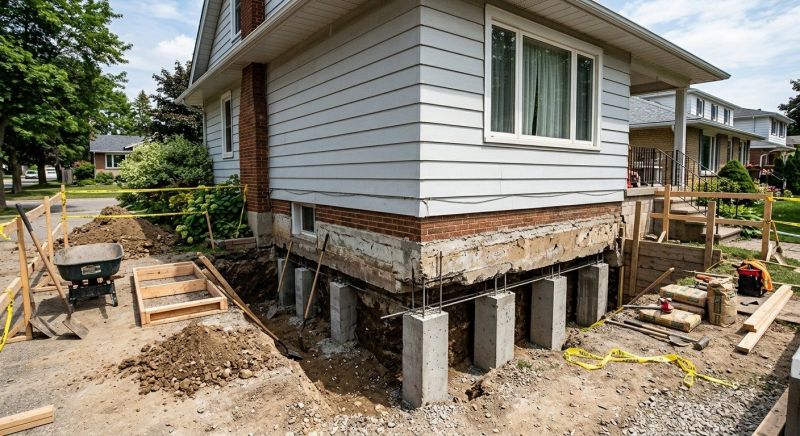
House Underpinning Questions
What is house underpinning? House underpinning involves strengthening or stabilizing the foundation of a property to address issues like settlement or damage.
When is underpinning needed? Underpinning may be required when a property shows signs of foundation movement, cracking walls, or uneven floors.
What methods are used for underpinning? Common methods include piering, piling, or slab jacking to support and stabilize the foundation.
Does underpinning affect the property’s value? Proper underpinning can enhance stability and may improve the property's value by addressing structural concerns.
Request House Underpinning in Plymouth, MA
Use the quote form on this page to share the basics of your project and request more information for the type of work you need.